
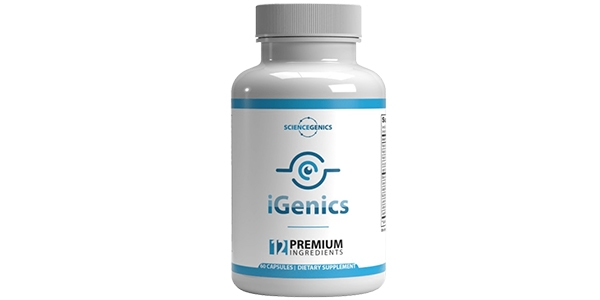
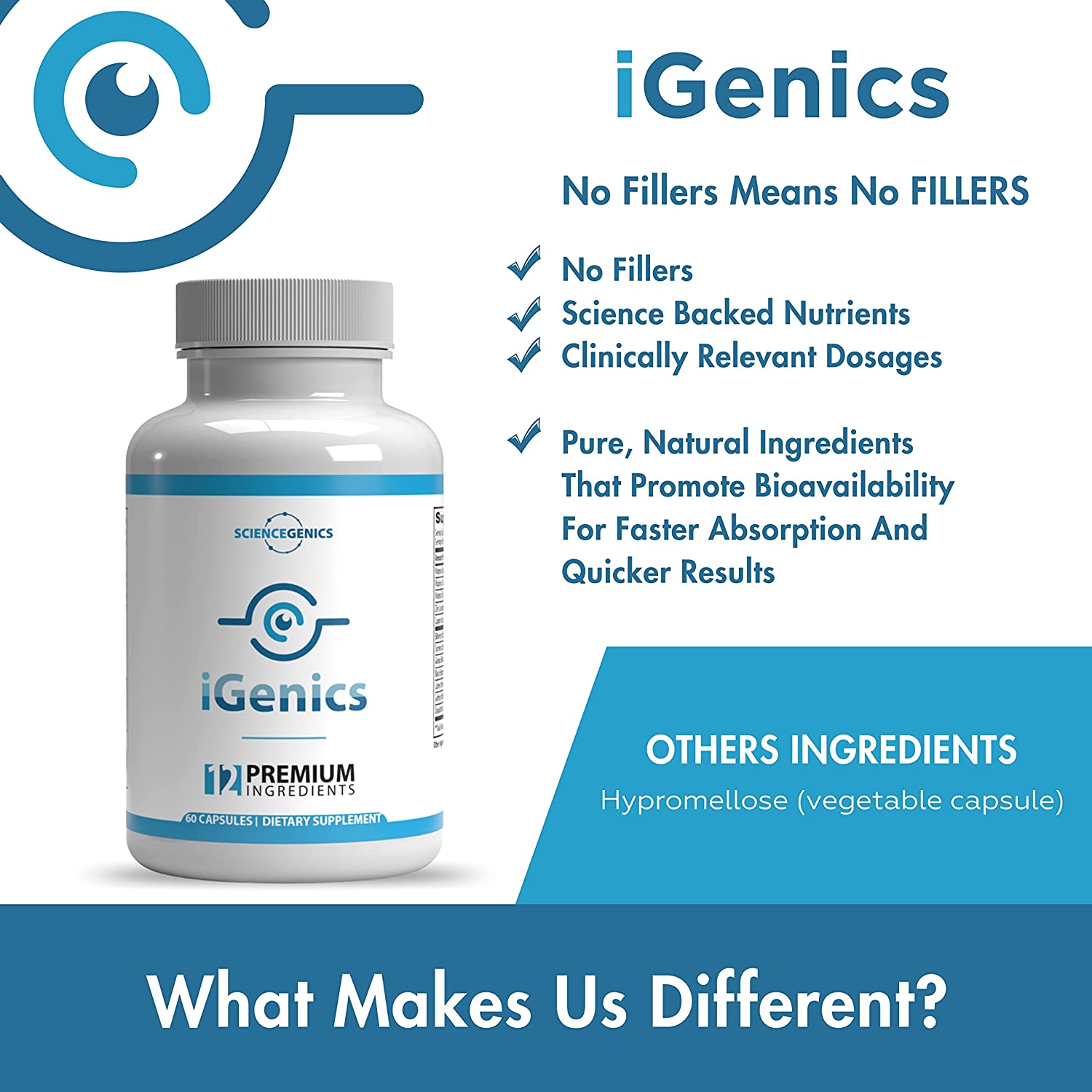
igenics ingredients is a dietary supplement that has garnered attention for its potential benefits in supporting eye health. This report delves into the key ingredients found in Igenics, their sources, functions, and the scientific evidence backing their use.
Key Ingredients in Igenics
- Lutein
– Source: Lutein is a carotenoid found in green leafy vegetables, such as spinach and kale, as well as in eggs.
– Function: Lutein is known for its antioxidant properties and is particularly beneficial for eye health. It helps filter harmful blue light and protects the retina from oxidative stress.
– Scientific Evidence: Numerous studies have indicated that lutein supplementation can improve visual function and may reduce the risk of age-related macular degeneration (AMD).
- Zeaxanthin
– Source: Like lutein, zeaxanthin is another carotenoid found in foods like corn, green peas, and various fruits and vegetables.
– Function: Zeaxanthin works synergistically with lutein to protect the eyes from blue light damage and oxidative stress. It is also concentrated in the retina, contributing to visual acuity.
– Scientific Evidence: Research suggests that zeaxanthin can enhance visual performance and may lower the risk of developing AMD.
- Vitamin C
– Source: Vitamin C is widely available in fruits and vegetables, particularly in citrus fruits, strawberries, and bell peppers.
– Function: As a powerful antioxidant, vitamin C helps protect the eyes from oxidative damage and supports overall eye health.
– Scientific Evidence: Studies have shown that higher intake of vitamin C is associated with a reduced risk of cataracts and AMD.
- Vitamin E
– Source: Vitamin E is found in nuts, seeds, and vegetable oils.
– Function: This fat-soluble antioxidant protects cell membranes from oxidative damage and supports immune function.
– Scientific Evidence: Research indicates that vitamin E may help reduce the risk of developing cataracts and AMD when taken in conjunction with other antioxidants.
- Zinc
– Source: Zinc is found in high-protein foods such as meat, shellfish, legumes, and seeds.
– Function: Zinc plays a crucial role in maintaining the health of retinal cells and is essential for the proper functioning of enzymes involved in eye health.
– Scientific Evidence: Studies have demonstrated that zinc supplementation can slow the progression of AMD and improve night vision.
- Copper
– Source: Copper is present in foods such as shellfish, whole grains, nuts, and beans.
– Function: Copper is essential for energy production and the formation of connective tissue. It also works synergistically with zinc to support eye health.
– Scientific Evidence: While direct evidence linking copper to eye health is limited, it is known to play a supportive role in the body’s antioxidant defense system.
- Bilberry Extract
– Source: Bilberry is a fruit related to blueberries and is rich in anthocyanins.
– Function: Bilberry extract is known for its antioxidant properties and may improve night vision and overall eye health.
– Scientific Evidence: Some studies suggest that bilberry extract may enhance visual acuity and reduce eye fatigue, although more research is needed for conclusive evidence.
- Grape Seed Extract
– Source: Grape seed extract is derived from the seeds of grapes and is rich in proanthocyanidins.
– Function: This extract has potent antioxidant properties and may help improve circulation and reduce inflammation in the eyes.
– Scientific Evidence: Preliminary studies indicate that grape seed extract may support overall eye health, although more research is needed to establish its effectiveness.
- Astaxanthin
– Source: Astaxanthin is a carotenoid found in certain algae and seafood, such as salmon and shrimp.
– Function: Known for its strong antioxidant properties, astaxanthin helps protect the eyes from oxidative stress and inflammation.
– Scientific Evidence: Some studies have shown that astaxanthin can improve visual function and reduce eye strain, particularly in individuals who spend long hours in front of screens.
Conclusion
The ingredients in Igenics are carefully selected for their potential benefits in supporting eye health. Each component, from lutein and zeaxanthin to vitamins and herbal extracts, plays a unique role in protecting the eyes from oxidative damage and enhancing visual performance. While the scientific evidence supporting these ingredients is promising, it is essential for consumers to consult with healthcare professionals before starting any new supplement regimen. As research continues to evolve, the understanding of how these ingredients contribute to eye health will undoubtedly expand, offering further insights into the prevention of eye-related conditions.